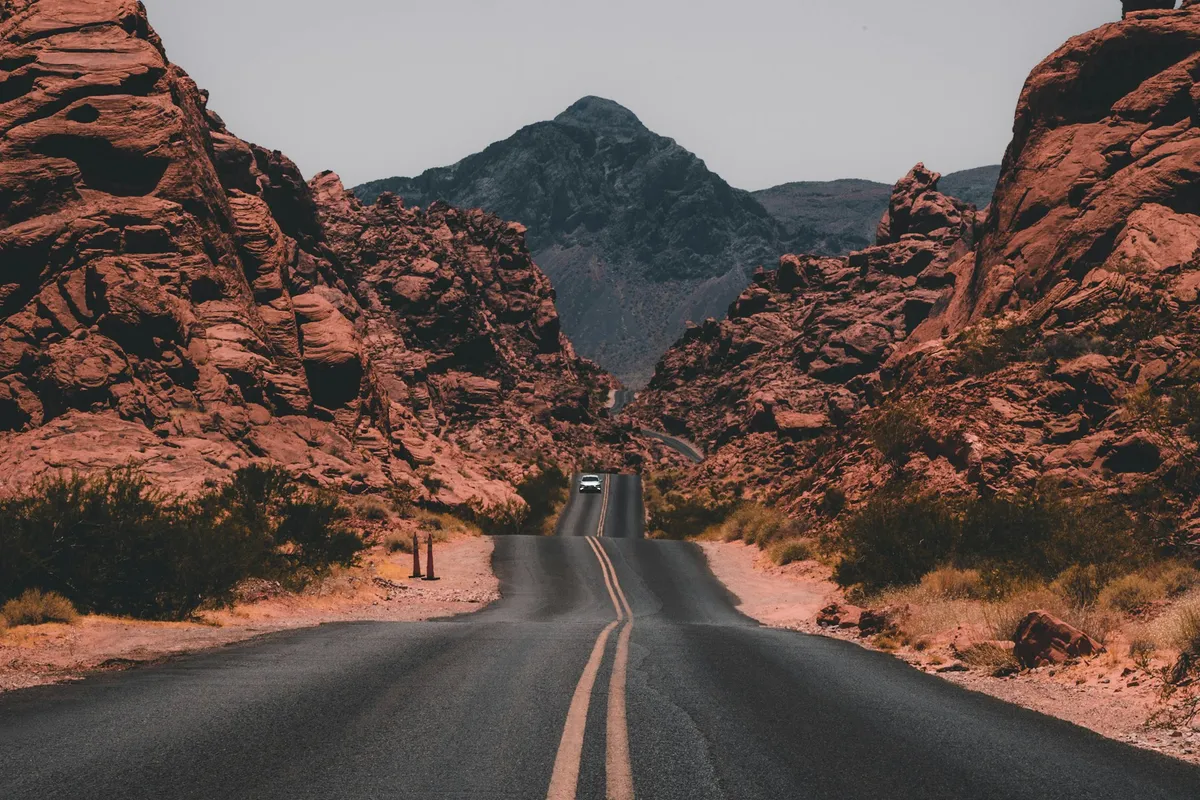
A great travel photo is more than just a snapshot — it’s a window into a moment you’ll carry with you forever. Each frame is a careful balance of light, composition, and timing, captured with intention and awareness. Step into any unfamiliar city and you’ll find the best photographers pausing at corners, watching the light shift, and waiting for the scene to reveal itself.
Travel photography is the art of distilling a place into a single image. What you capture in a well-composed shot is a story that transcends language — the most powerful way to share your experience with the world. The camera becomes a tool for seeing more deeply…
- Golden Hour & Natural Lighting
- Composition & the Rule of Thirds
- Capturing Local Life & Street Scenes
- Landscape vs. Portrait Framing
- Editing & Post-Processing
- And Being Present — the most important step of all 🙂
Reading the Light
A huge indicator of photo quality is the light — that warm, golden glow that falls across a landscape during the first and last hours of sunlight. Soft, directional light signals depth, texture, and emotion. Harsh midday sun flattens everything and washes out color. Once you learn to read the light, you’ll never look at a destination the same way again.
The best camera is the one you have with you. The best photo is the one that makes you feel something.
Chase Jarvis, Photographer and Author
The ratio of time spent observing to time spent shooting is one of the most useful habits a travel photographer can develop. A standard approach of 3:1 (three minutes looking for every one minute shooting) is a great starting point, but the right ratio is always the one that produces images you’re proud of.
People vs. Landscapes
Whether you prefer the intimacy of a portrait taken in a bustling market or the grandeur of a sweeping mountain panorama, both approaches have their place. Portraits let humanity shine — you can see the character, the warmth, and the story in every face. Landscapes, on the other hand, are crafted for awe, scale, and a sense of place that no single subject can achieve alone.

We pack light on every trip — a single camera body, two versatile lenses, and a lightweight tripod. That restraint forces creativity and keeps us present in the moment rather than buried in gear.
Takeaway
Mastering travel photography is a lifelong pursuit. Every variable in the chain — from the destination to the light to the photographer — plays a role in what ends up in your frame. Get out there, slow down, and capture something worth remembering.

Leave a Reply